Class Recap: Week 1 - Ethics, Ethics, Ethics
Intro
We started out week one with the age old question, what is philosophy? This question has plagued philosophers for ages and has yet to have a concrete answer. However, we do know this, the word philosophy literally means 'love of wisdom' and that is what we are running with for this class.
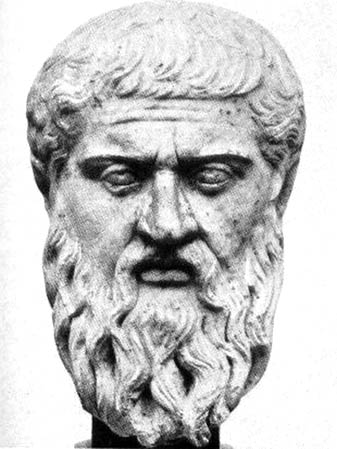
We also briefly discuss the dawn of Western Philosophy, and what is was like to live in the party central Greece during Plato's life time. Plato and Socrates were not loved by the Greek rule makers and were considered huge trouble makers.
It was brought up right away that some of you felt you have been philosophers your entire life but you never had a name for it. After more back and forth about the meaning of philsophy and why you each found it important to study we dove right into values, also know as ETHICS.
The Big Questions of the Week:
What makes you a fair and just person?
Is justice concrete and easy to explain?
Should you be just to your enemy as well as your friends?
Can you be unjust to yourself?
The Set Up:
#1 You borrow your friends calculator, and he asks for it back, what do you do?
Most of you said you would give it back because it is only fair, the caluculator does not belong to you.
#2 Your parents borrow a weapon from a friend. During that time your parent's friend goes insane. Do you give it back?
This is where the big back and forth started. We talked about Plato's definition of justice and which he found easy to define, his definition of justice, in essence : treating other people fairly.
Many of you did not agree with Plato's definition of justice, most of you expressed that his view is too narrow and cannot be used in every situation. Plato's definition of justice, in short is simply, to be just is to be fair. You guys generated some awesome discussions and at the same time were very respectful of each other.
The likelihood that we will all agree on everything in class is slim, and this is what makes the class so fun.
Quote of the Week:
"If we all had hinges on our heads
There wouldn't be no sin.
'Cause we could take the bad stuff out
And leave the good stuff in"
Shel Silverstien
Key Words:
Ethics: (also known as moral philosophy) is a branch of philosophy which seeks to address questions about morality; that is, about concepts such as good and bad, right and wrong, justice, and virtue.
Fast Facts:
Socrates 469-399BC
*Known for teaching through discussion of ideas, using questions to challenge students' assumptions about the world
*Learning how little we know is how we learn
*Never wrote anything down, no written works
*Sentenced to death by hemlock for corrupting the young of Greece
Plato 428-348BC
*Student of Socrates
*Started his own university, "The Academy"
*Focus on ideas as truth
*Felt the physical world is misleading, and we should not base all our ideas on it
*Believed people were born with knowledge, and gained more knowledge as they lived


No comments:
Post a Comment